You wake up, reach for your phone, and before you even check your messages, you see the notification. "Don't lose your progress! Read one more article to keep your streak alive." Your chest tightens. You aren't particularly hungry for the news right now, but you feel a strange, nagging obligation to tap that icon.
This isn't an accident. It is a carefully engineered feedback loop designed to make sure you return to a product daily. As a product strategist, I’ve spent over a decade watching these patterns unfold. We call it "streak anxiety," and it’s arguably the most effective—and most exhausting—tool in the modern digital engagement kit.
The Psychology of the Streak: Loss Aversion in Action
When I talk about "loss aversion," I’m not talking about stock market crashes or losing your keys. Think of it like this: If I give you $10, you’re happy. But if I give you $10 and then take it away, you feel like you’ve been robbed. You feel that loss more acutely than you felt the initial gain. ...where was I going with this?
Streak pressure works exactly the same way. The app gives you a "point" or a "flame icon" for engaging. Once that flame exists, it becomes yours. To stop using the app isn't just taking a break; it’s *losing* something you built. It’s the digital equivalent of a stamp card at your local coffee shop. If you’ve already bought nine coffees and just need one more for a free one, you’re going to buy that tenth coffee even if you aren't thirsty. That’s loss aversion keeping you tethered to a habit.

How Gamification Turned Reading into a Game
Gamification is the practice of taking the boring stuff—like reading the morning news—and turning it into a video game. Digital publishers have mastered this. Take the San Francisco Examiner, for example. By integrating progression systems, they aren't just delivering information; they are inviting the reader to participate in a daily ritual.
When you gamify content, the content itself often becomes secondary to the act of completing the "mission." You aren't reading the editorial because you need to know about local politics; you’re reading it because the app told you that you’re on a 15-day streak. I've seen this play out countless times: learned this lesson the hard way.. The "reward" is the satisfaction of seeing a number go up. It’s a classic engagement loop:
Trigger: An alert pops up on your lock screen. Action: You open the app to "keep the streak." Variable Reward: You consume a quick headline. Investment: You check the share button, maybe sending a link via WhatsApp or Email to a friend.The Role of Audio in Habit Persistence
One of the biggest hurdles for digital publications is "screen fatigue." Eventually, your eyes get tired. This is where tools like the Trinity Audio player change the game. By offering a listen-to-article feature, publishers allow you to maintain your "reading" streak while you’re doing something else—driving, washing dishes, or walking the dog.
The Trinity Player removes the friction of having to stare at a screen. It makes the habit easier to maintain. If you’re a user who prides themselves on your consistency, having the audio option ensures that you don't break your chain just because you have a busy day. It’s smart, but it also deepens the dependency. You no longer have an excuse to miss a day.. Exactly.
My List of Annoying Notification Patterns
As someone who works in this industry, I have a very specific list of notification patterns that drive me up the wall. These are designed to manipulate your FOMO (fear of missing out) rather than provide value.
Notification Type The "Real" Meaning "Don't lose your streak!" "We need our Daily Active User metrics to look good for our investors." "Everyone is talking about this." "Please click this so our engagement numbers spike." "You’re so close to a new badge!" "We are using arbitrary rewards to keep you addicted to our UI." "Did you forget us?" "We are feeling insecure about our retention rate."The Social Pressure of the Digital Brag
The final layer of this pressure cooker is social sharing. When apps make it incredibly easy to post your "streak" to Facebook or Twitter, they are user psychology of app engagement turning your personal habit into a public performance. When you share a screenshot of your activity, you are seeking external validation.
Sharing via SMS or WhatsApp adds a layer of personal accountability. If you tell a friend, "I've read the news every day for 30 days," you are now subconsciously committed to keeping that streak alive, not just for the app, but for your own reputation. It’s a clever way for companies to outsource their retention marketing to their own users.
Is Habit Pressure Always Bad?
I don't think every streak is malicious. If a streak helps you learn a language or read quality journalism like the San Francisco Examiner, there is value in the consistency. The danger comes when the *process* of keeping the streak becomes more important than the *content* being consumed.
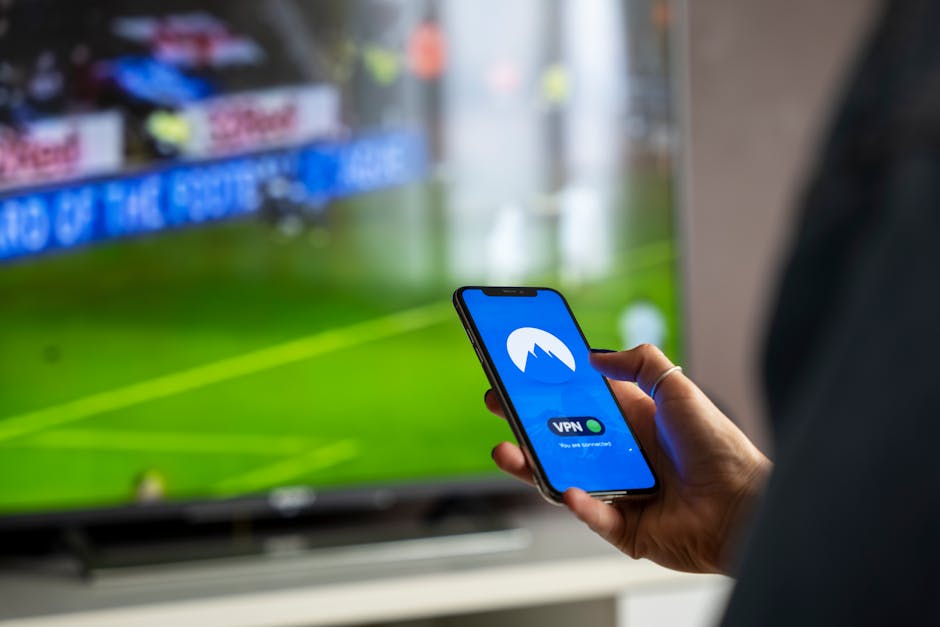
If you find yourself reading articles you don’t care about, or listening to audio pieces just to satisfy a progress bar, you aren't using the app—the app is using you. The goal of any good digital experience should be to inform or entertain, not to create a sense of dread when you fail to check in.
How to Break the Cycle
If you feel like your digital habits are being managed by an algorithm, try these steps to regain control:
- Disable "Streak" Notifications: Go into your settings. You don't need to know if your streak is about to end. If you want to read, read because you want to, not because you’re afraid of a zero. Audit Your "Must-Haves": Ask yourself, "If this app didn't track my activity, would I still use it?" If the answer is no, delete it. Embrace the "Streak Break": Purposefully break a streak. Watch what happens. You’ll realize that the world keeps turning, and your life doesn't fall apart just because a flame icon disappeared.
We are humans, not data points. While we love the dopamine hit of a "congratulations" pop-up, don't let a badge define your productivity. Whether you share your habits on Facebook, send a link via Email, or just listen to a morning brief through a Trinity Audio player, do it for the knowledge—not for the score.