Embarking on a long dirt-road journey through remote Australia requires more than just enthusiasm. The vastness of the outback, its punishing tracks, and the scarcity of roadside assistance demand a thorough pre trip inspection and careful remote travel checks. From the iconic Toyota LandCruiser 70 Series to advice shared by seasoned operators like Australian Explorer, the underlying message is clear: simplicity, reliability, and repairability are non-negotiable for true outback readiness.
Why Simple Design Matters Deep in Remote Australia
Outback Australia is a place where help can be days away. Roads here are often corrugated, sandy, rocky, and deceptive in their challenges. Many tracks operated by stations and tour companies like Australian Explorer serve as unofficial test grounds that quickly reveal mechanical weaknesses. This is why many remote travellers swear by vehicles with simple mechanical systems and proven reliability.
The Toyota LandCruiser 70 Series is a perfect example. Originally launched in the mid-1980s, its design prioritises ruggedness, ease of repair, and practical functionality over flashy features. Unlike many modern 4WDs chock-full of complex electronics prone to failure in dust and heat, the 70 Series embraces a no-nonsense approach that withstands harsh conditions far from workshops.
The Value of Reliability and Repairability
Imagine breaking down on a remote track with no mobile coverage and limited tools. If your 4WD is a maze of sealed units and proprietary electronics, chances are you’ll be sidelined until help arrives — which could be days. Conversely, a vehicle designed with simple mechanical parts and easy access to key components means you can often perform repairs yourself, allowing you to continue your journey.
This principle is so important that many outback travellers maintain long-running relationships with mechanics specialising in the 70 Series and similar vehicles. They pass on little-known maintenance tips like regular greasing intervals and the importance of checking for dirt infiltration around seals — details overlooked in many city garages.

Key Pre Trip Inspection Points for Outback Readiness
Before tackling any dirt track, especially notorious routes like the Gunbarrel Highway, Tanami Track, or Canning Stock Route, conducting a rigorous pre trip inspection is essential. Here is a comprehensive checklist, informed by years of discussions with station owners, tour guides from Australian Explorer, and LandCruiser aficionados.
1. Suspension and Steering Components
- Shock absorbers & springs: Check for leaks and wear. Replace weak shocks to handle relentless corrugations. Ball joints and tie rods: Excess play can cause steer wander and accelerate tyre wear — crucial on long distances. Bushes and mounting points: Inspect for cracking or movement; rough tracks punish aging components.
2. Drivetrain and Transmission
- Fluids: Change engine oil, gear oil, diff oil, and transfer case fluids before leaving. Clutch and gearbox operation: Ensure smooth shifting; dry patches or slip indicate pending repairs. Driveshafts and CV joints: Look for grease leaks, torn boots, or excessive play.
3. Brakes
- Brake pads and discs: Down dirt roads, you’ll often rely on engine braking from the 70 Series’ sturdy engine— but good brakes remain essential. Brake lines: Inspect for corrosion and leaks, particularly around fittings exposed under carcass-heavy loads. Handbrake: Ensure it holds on slopes — a critical check on uneven campsites.
4. Tyres and Wheels
- Tyre condition: Cut sidewalls or embedded stones can lead to punctures. Pressure settings: Adjust according to terrain; lower for sand and higher for corrugations. Spare tyres: Carry at least one — preferably two in extremely remote trips. Wheel nuts: Torque check before departure and after the first 50km on new terrain is a non-negotiable habit.
5. Cooling System
- Radiator and hoses: Look for leaks and cracks. Coolant level and mixture: Use correct antifreeze-to-water ratio for outback heat extremes. Fan operation: Confirm electric or mechanical fan runs effectively to prevent overheating.
6. Electrical and Battery
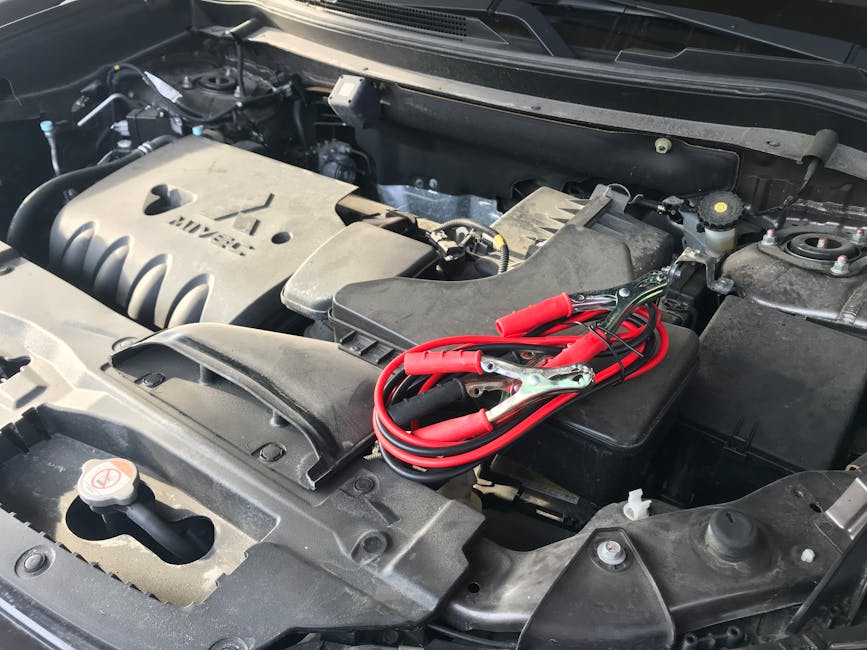
- Battery terminals: Clean and tight connections prevent failure. Charging system: Test alternator output; solar or dual-battery setups should be checked meticulously. Lighting: Check headlights, tail lights, brake lights, and auxiliary driving lights. Recovery gear: Operate electric winches and air compressors in advance.
7. Fluids and Fuel
- Correct fuel: Diesel or petrol grade as specified — mixing fuels is a fatal mistake where help is kilometres away. Spare fuel containers: Secure, leak-free, and stable on uneven terrain. Oil and spare fluids: Carry extra engine oil, coolant, brake fluid, and transmission oil.
Why the Toyota LandCruiser 70 Series Has Barely Changed Over 30+ Years
Listening to feedback from the remote community, including trusted voices like Australian Explorer, it becomes clear that the longevity of the Toyota LandCruiser 70 Series comes down to its utilitarian philosophy. Toyota keeps the core chassis, engine basics (notably reliable inline six-cylinder diesels), and drivetrain remarkably consistent because these parts are proven, easily serviced, and parts remain available even in remote townships.
In a landscape where many modern vehicles falter due to electronic hitches, the 70 Series thrives. Its straightforward mechanical design allows station owners and remote workshop mechanics to diagnose and fix issues with hand tools and minimal diagnostic equipment. This ruggedness is why it remains the 4WD of choice on punishing tracks across central Australia.
How To Stay Updated: Using RSS Feeds and Social Media
Part of smart trip preparation is staying abreast of current road conditions, vehicle advice, and safety alerts. Trusted sources such as the Australian Explorer blog offer valuable insights and updates provided via their RSS feed (travel-advice.xml). Subscribing to such a feed keeps you informed without the noise of less reliable advice sources.
Moreover, sharing advice and experience through platforms like a Facebook share not only helps your community but can spark useful discussions on specific routes and setups. Knowing which track (Gunbarrel, Tanami, Canning) your friends have recently travelled can influence your preparation and expectations.
Small Things That Stop Big Trips
In my 10+ years interviewing locals and tour operators, I’ve kept a running list https://dlf-ne.org/how-to-build-a-touring-70-series-without-turning-it-into-a-tank/ of seemingly minor issues that cause major headaches during big outback journeys. Here's a quick rundown to sanity check before your trip:
- Loose battery terminals causing unexpected dead starts. Under-inflated tyres leading to tyre damage and poor handling. Missing or inadequate recovery points limiting ability to self-recover from bog-outs. Forgotten to check fuel gaps — some routes exceed 500km between fuel stops. Unsecured tools and gear rattling off inside the tray, causing distractions or visibility issues.
Final Thoughts: Outback Ready Means Outback Smart
Preparing your 4WD for long dirt-road trips means respecting the realities of remote Australia. A vehicle like the Toyota LandCruiser 70 Series has earned its status as an outback legend through decades of service proven by straight talk from people like Australian Explorer. Pair that with a complete pre trip inspection that focuses on mechanical simplicity, reliability, and a solid checklist for remote travel checks, and you significantly increase your chances of a safe, enjoyable adventure.
Before you pack your gear and hit the dirt, consider subscribing to good-quality RSS feeds and sharing knowledge via social media. The more informed and connected you are, the better equipped you’ll be to handle the challenges the track throws your way.
Happy and safe travels on the red dusty veins of our great country!