As OpenAI continues to evolve its range of AI-powered offerings, its pricing models also adapt to balance accessibility and sustainability. In July 2026, OpenAI introduced a significant change with its Flex pricing tier, aiming to provide users a lower-cost alternative with unique trade-offs. But what exactly is OpenAI Flex pricing? How does it impact your experience with popular AI tools like ChatGPT, and what should you watch out for? In this deep dive, we’ll dissect the new Flex tier, explore the ramifications of model routing transparency, and unpack feature gating — all while referencing companies like OpenAI, ChatGPT, and Suprmind.
July 2026 Tier Pricing: What Changed?
Before July 2026, OpenAI’s pricing for ChatGPT and related services was relatively straightforward with free, plus, and enterprise tiers. The entry point was the Free tier, priced at $0, followed by Plus at $20/month offering priority access, faster responses, and access to advanced models.
However, in mid-2026, OpenAI launched the Flex tier — a new lower-cost pricing bracket designed for users seeking affordability over speed or uninterrupted access. This shift was unveiled on the official pricing page at openai.com/chatgpt/pricing. Key changes include:
- Introduction of the Flex Tier: A more affordable option that, unlike the Free tier, comes with less predictable response times and potential resource unavailability during peaks. Priority Model Routing for Higher Tiers: Users on higher-paid tiers now receive expedited model access, translating to faster replies. Transparent Model Routing Indicators: OpenAI began disclosing when requests are routed through “Auto mode” — an adaptive system to optimize latency and cost. Feature Gating and Premium Add-ons: New advanced features like Deep Research, Agent Mode, Advanced Voice, and Sora were gated to higher tiers, enhancing value but limiting access for Flex and Free users. Advertisement Experimentation: Subtle ads have appeared in the Free and Flex tiers, signaling OpenAI’s intent to monetize “free” access more aggressively.
What is Model Routing Transparency and Auto Mode?
One of the most talked-about updates in the July 2026 pricing rollout was OpenAI’s commitment to model routing transparency. Historically, ChatGPT users were not aware of the backend model handling their requests or if they were subject to request throttling.
Now, OpenAI exposes the routing logic for each request, especially when Auto mode is in play. Auto mode dynamically routes incoming API calls or chat queries to various models balancing:
- Response speed Model cost efficiency Current system load
For Flex and Free tiers, this means that requests might be routed to lower-cost, less powerful models or throttled temporarily if demand spikes, leading to what many users term “Flex slower responses.” Prioritized https://stateofseo.com/which-data-residency-regions-does-openai-offer-for-enterprise/ tiers OpenAI batch API pricing like Plus and Enterprise get more consistent, premium model access, improving latency and output quality.
Ads and the Real Cost of Free and Go Tiers
OpenAI also began exploring advertising as a way to subsidize “free” tiers. Users on Free and the new Lite Go (a sub-tier variant of Free with limited access) now may encounter:
- Sponsored messages embedded in chat responses Visual banners within the chat app interface Periodic upsell prompts encouraging upgrade to paid tiers
While $0 entry cost seems attractive, the real price can be extended wait times, occasional resource unavailability, and minimal feature access compounded by ads — all less visible costs that factor into user experience. Suprmind, a company building AI-driven retrieval tools, recently highlighted in their pricing blog how these trade-offs alter usage paradigms for enterprises and hobbyists alike.
Understanding Feature Gating: What Does Flex Get vs. Paid Tiers?
To maximize value for premium subscribers, OpenAI began gating several advanced capabilities from Free and Flex tiers and bundling them with Plus and Enterprise plans. Notable gated features include:
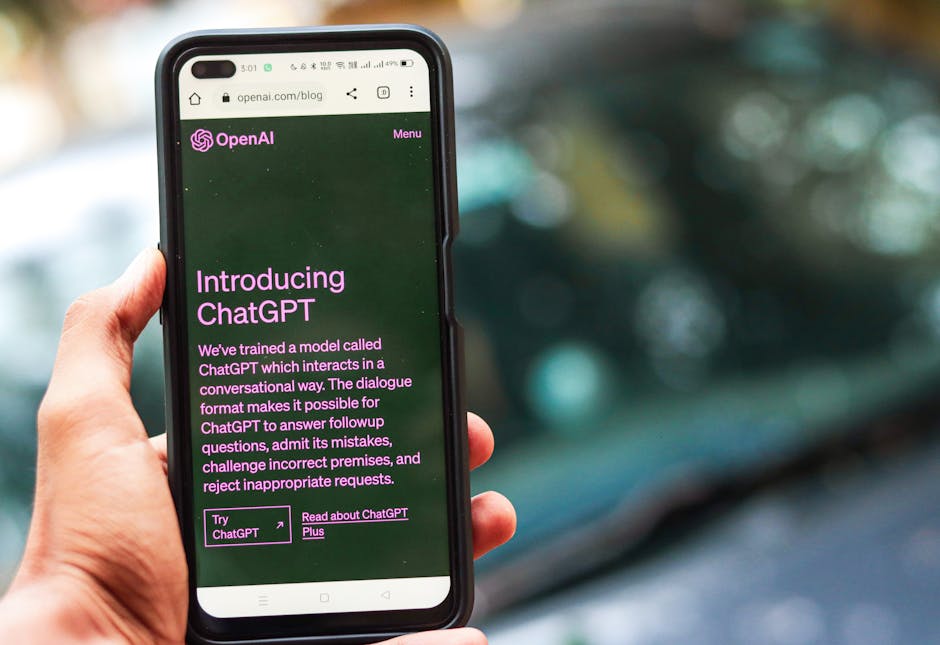
- Deep Research: Integrated on-demand knowledge synthesis from external APIs and databases, enhancing context-aware responses. Sora: OpenAI’s experimental multi-modal assistant combining voice, chat, and agent actions. Agent Mode: Allows creation and deployment of AI agents capable of complex task automation. Advanced Voice: High-fidelity voice generation and real-time voice assistant functionalities.
Flex users will encounter some access during trial periods and smaller usage caps but otherwise need upgrades to Plus or Enterprise to unlock full functionalities. For instance, Suprmind leverages Agent Mode and Deep Research features for its AI retrieval workflows, underscoring how critical these gated functions have become in advanced SaaS AI tooling.

Flex Pricing Example and What It Means For Users
Plan Monthly Price Typical Use Case Response Speed Feature Access Free $0 Casual use, light queries Variable, often slower Basic, limited Flex Lower cost tier: ~$5-7 (varies by region) Budget-conscious users, moderate use Flex slower responses due to resource unavailability Basic plus some trial access Plus $20 Regular users, faster access Fast and reliable Most features, including some gated tools Enterprise Custom pricing Heavy usage, advanced needs Priority, highest speed All features unlockedFor many users, the allure of Flex pricing is obvious — a more affordable way to access ChatGPT and the OpenAI suite. But the real catch lies in the experience trade-offs: you sacrifice response speed and guaranteed availability, especially during peak demand periods. That is why Flex is sometimes dubbed the “lower cost tier with resource unavailability.”
Final Thoughts: Is OpenAI Flex Worth It?
OpenAI Flex pricing democratizes AI access by adding a more affordable entry tier, making it attractive for developers, students, and budget-sensitive users. However, beware of:
- Slower, sometimes delayed responses due to flexible routing and lower priority. Advertisements and upsell messaging that come with “free” or low-cost tiers. Limited access to newest and premium features that can be critical for power users or business applications.
If your use case demands speed and guaranteed uptime, upgrading to Plus or Enterprise remains the safest bet — but for casual exploration or cost-conscious experimentation, Flex offers a viable compromise. Companies like Suprmind, which build on OpenAI tools, carefully weigh these pricing tiers when architecting their SaaS solutions, balancing cost versus performance needs.
For the latest information on OpenAI pricing and to compare tiers, visit the official pages at openai.com/chatgpt/pricing and try out the platform at chatgpt.com.