In the rapidly evolving AI landscape, presentations are one of the primary ways insights get communicated—and unfortunately, where AI hallucinations often find their most persuasive form. The MIT 2025 study recently revealed a startling fact: large language models (LLMs) are almost 34% more confident when they are wrong. That means the very language and design choices we see on slides can amplify misinformation under the guise of Visit this site credibility.
If you create or review decks powered by AI tools like Tosea.ai, Gamma (gamma.app), or Beautiful.ai, understanding how to spot these hallucinations is critical. Many of these platforms support direct uploads of documents such as PDFs or Word files (.docx) to generate slides, streamlining creation—but also sometimes propagating unchecked data.
Why do presentations amplify hallucinations via design credibility?
Humans naturally trust polished, well-designed materials. When a slide is beautifully formatted, uses confident language, and pairs strong visuals with numbers or quotes, it triggers a cognitive bias: if it looks professional and authoritative, it must be true.
AI presentation tools capitalize on this by producing visually appealing decks fast. But the underlying text and quantitative content—often generated by LLMs—may be fabricated or distorted. This phenomenon promotes a dangerous illusion of accuracy.
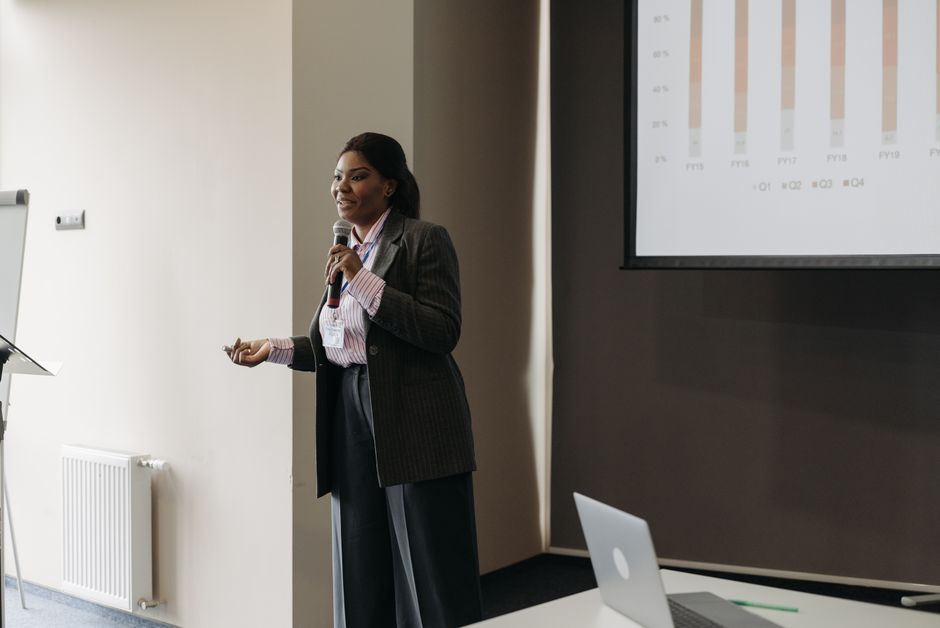
- Design polish hides uncertainty. Slides rarely display disclaimers or provenance for numbers or claims. Instead, they project certainty. Key phrases like “definitely,” “certainly,” and “without doubt” reinforce false confidence. MIT’s study warns that these words often align with hallucinated outputs. Charts and tables add quantitative weight. But when numbers are generated from thin air or incorrectly parsed, they mislead even experts. Lack of granular citations. Citation at the deck level or vague sources such as “Internet” provide zero transparency for fact-checking.
How do LLMs generate plausible text instead of retrieving facts?
Understanding the root of hallucinations starts with how LLMs like GPT, deployed by presentation builders or plug-ins, operate. These models predict the next word based on training data patterns rather than pulling facts from verified databases or the internet in real-time.
This means that when asked to produce numeric data, company statistics, or study outcomes, the AI fabricates plausible-sounding but often incorrect content. For example, a model won’t access the exact “MIT 2025 report” data live; it generates an approximation based on prior training.
This generative nature explains why confident language is often paired with misleading details. The model isn’t lying—it doesn’t know truth but is optimized to seem coherent and authoritative.
Uploads: PDF and Word (.docx) as double-edged swords
Tools like Tosea.ai, Gamma, and Beautiful.ai further enhance convenience by accepting source documents (PDFs or Word files) as inputs to craft decks. These features are valuable but have two risks:
Incorrectly parsed tables or stats from PDFs can transform into inaccurate charts. AI may “fill in gaps” when documents have missing data or unclear phrasing, generating hallucinated assertions.
Where did that number come from? When slides automatically convert document content, it’s essential to validate legal hallucination 18.7 each data point’s provenance, not just assume the AI-transformed slide is accurate.
Quantitative content as a high-risk hallucination vector
Numbers, charts, and metrics convey credibility like nothing else — yet they represent a particularly vulnerable area for hallucinations. Key issues include:
- Fabricated statistics: AI may confidently output precise percentages or dollar figures without any factual basis. Misrepresented trends: Visualizations might suggest growth, decline, or comparisons that never existed. Uncredited sources: Slide footnotes or citations frequently omit direct mapping to numbers or claims, disabling fact verification. Data inconsistency: Multiple slides may present conflicting numbers from the same dataset due to hallucinated context shifts.
Given these risks, quantitative data on AI-generated slides must be treated as a high-priority audit item.
A 4-part framework to evaluate AI slide tools and outputs
If you’re using tools like Tosea.ai, Gamma (gamma.app), or Beautiful.ai to generate presentations—especially via PDF or Word upload—apply this checklist rigorously before disseminating decks externally.
Verify provenance and cite granularly: Ensure every number, chart, or claim links to a clearly identified original source. Avoid vague citations like “Source: Internet.” Ideally, cite exact papers, reports, or data repositories directly on slides. Question confident language: Be alert to phrases such as “definitely,” “certainly,” or “without doubt.” These may signal hallucinated output. Replace with neutral terms or include caveats about uncertainty if data hasn't been independently verified. Cross-check key quantitative content: Use manual data validation or cross-reference with trusted sources to confirm statistics and charts. Don’t trust autogenerated visuals blindly—even if polished, they can distort or invent facts. Audit document uploads for parsing errors: When AI tools ingest PDFs or Word docs, inspect how well the data and text have transferred into the slides. Look for missing context, altered numbers, or unexplained summary statements the AI may have introduced.In practice: Spotting hallucinations on an AI-generated slide deck
Here’s what I personally look for when reviewing AI-powered decks, drawing on my decade of experience and recent auditing of LLM-generated presentations:
- “Where did that number come from?” Before I assess design quality or narrative flow, I demand to know the exact original source for every statistic or claim. Slide-level citations are insufficient. Check for locked elements: I get annoyed when slide elements like charts or text boxes are locked, preventing edits to correct or annotate potentially hallucinated content. Scan text for hedging vs. overconfidence: I prefer language that expresses possibility or caveats rather than "definitely" or “without doubt.” Compare visuals vs. text claims: I check that charts accurately represent the numbers cited in adjacent text. Discrepancies often signal AI confabulation or parsing errors. Demand citations map directly to individual claims: Aggregate deck-level bibliography is useless for fact checking.
Conclusion: Balancing AI speed with human skepticism
The takeaway from the MIT 2025 hallucination insights is clear: AI-generated presentations contain an invisible risk of misplaced confidence and fabricated facts amplified by compelling design. Platforms like Tosea.ai, Gamma, and Beautiful.ai advance productivity but require a disciplined evaluation framework.
Use confident language as a red flag, demand granular citations, verify quantitative data meticulously, and treat uploaded PDFs or Word documents as imperfect sources rather than authoritative inputs. This vigilance bridges the gap between AI-powered speed and the accuracy stakeholders demand.
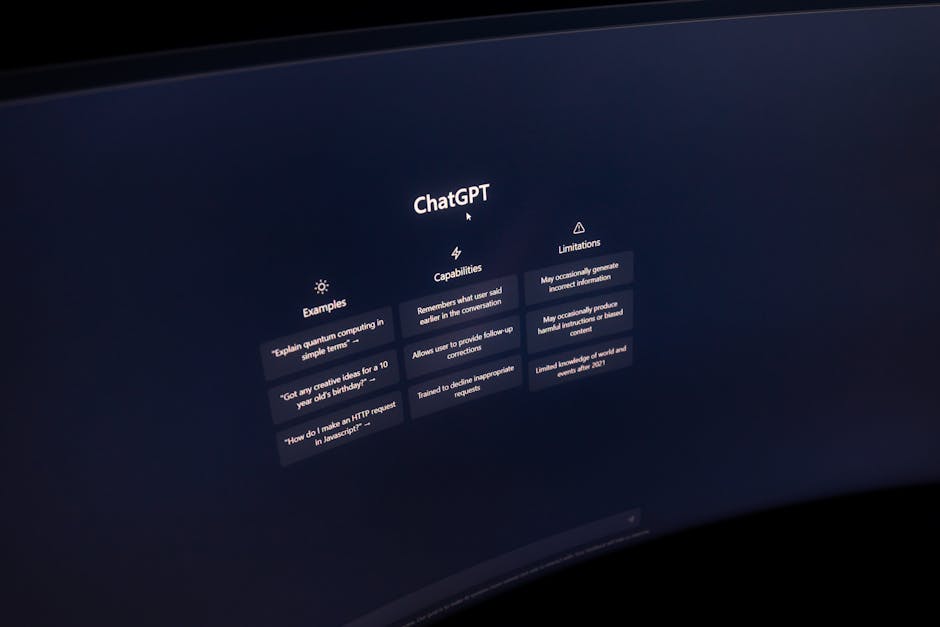
Only by cultivating this balance can we truly harness AI’s promise without becoming unwitting vectors of misinformation in the boardroom or beyond.
Related Resources
- Gamma - AI Presentation Tool Beautiful.ai - Smart Design for Presentations Tosea.ai - AI-powered Deck Creation MIT AI Research (for latest papers and studies)