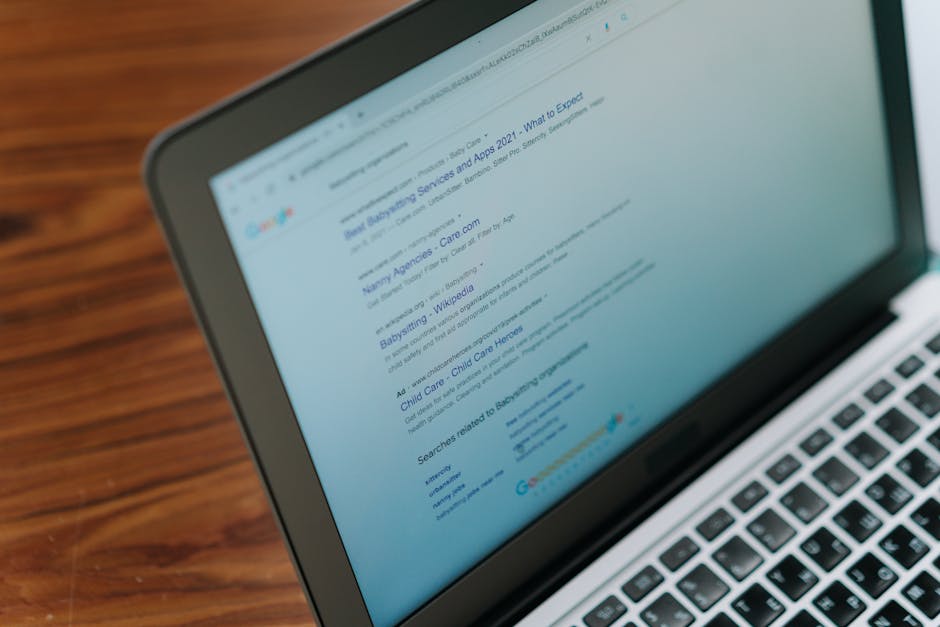
If you’ve ever Googled your own name and felt a slight pang of anxiety—seeing an old blog post from 2012, an embarrassing photo from a college party, or just realizing how much of your personal life is floating around the web—you aren't alone. We all leave digital breadcrumbs everywhere we go. But here is the good news: you don't need a degree in computer science to clean up your digital footprint. In fact, you don't even need to be a "tech person" at all.
I spend my days testing gadgets and software, and I’ve learned that the biggest mistake people make is trying to fix everything in one afternoon. Trust me: don't do that. You’ll burn out, get frustrated, and give up. Instead, let's treat this like cleaning out a junk drawer. We do it one section at a time.
What is a "Digital Footprint" and Why Does it Matter?
Think of your digital footprint as the permanent record your teachers used to threaten you with in grade school—except this one is actually real. It’s the collection of data, photos, comments, and logins you’ve left behind as you’ve surfed the internet over the years.
Why does this matter? It isn't just about hackers or scary privacy boogeymen. It’s about your future self. Recruiters now routinely check social media before hiring, and landlords often check public records. Having a clean digital footprint isn't about being a perfect person; it’s about making sure the first thing people see when they search for you is the professional, reliable, or interesting person you are *today*, not the version of you that thought it was funny to post inside jokes on public forums ten years ago.
The "Privacy 15 Minutes" Rule
Before we dive into the steps, I want to introduce you to a ritual I’ve kept for years: the Privacy 15 Minutes. Once a month, set a timer on your phone for 15 minutes. Pick one task from this list and do it. When the timer goes off, stop. Seriously—put the phone down. By breaking this up, you won’t feel overwhelmed, and you’ll actually make progress.
Step 1: The Password Overhaul (Start Here!)
If you are still using the same password for your email that you use for your streaming service or that random shopping site you visited once in 2015, you are leaving your front door wide open.
Don't try to memorize new, complex passwords. Your brain isn't built for that, and it’s not meant to be. Instead, use a Password Manager. These are digital vaults that generate and store unique, impossible-to-guess passwords for every single account you have. You only have to remember one "master" password to open the vault.
I have tested dozens of these, and for beginners, I usually recommend two main options:
Tool Why I Recommend It Bitwarden It’s open-source, highly secure, and the free version is robust enough for 99% of people. It’s my current go-to. LastPass It has a very friendly interface and has been around for a long time. It’s great if you want something that feels very "plug-and-play."The Action Plan:
Pick one password manager (I suggest starting with Bitwarden). Install the app on your phone and the extension on your browser. Start by updating only your most important accounts: your email, your bank, and your primary social media. Let the manager generate those long, crazy strings of characters for you.Step 2: Taking Control of Social Media
Social media platforms are designed to share your information, not hide it. You need to flip that switch. You don't need to delete your accounts, but you should restrict who sees what.
Go Private, Not Public
On Instagram, Facebook, and even LinkedIn, look for the "Privacy Settings" menu. Here is your checklist for what to look for:
- Make profiles private: Only people you approve should be able to see your photos and posts. Limit past posts: Facebook has a handy button (usually under "Privacy Checkup") that lets you "Limit Past Posts" with one click. This changes everything you posted publicly in the past to "Friends Only." It’s a massive time-saver. Turn off "Searchability": You can often toggle a setting that prevents search engines (like Google) from indexing your profile. This keeps your private life from showing up in search results.
Step 3: The "Spring Cleaning" of Old Accounts
We all have "ghost" accounts. That old Myspace page, the forum you joined for a hobby you gave up in college, the email newsletter you never read. Every account you leave active is a potential point of failure. If one of those sites gets hacked, and your password there is the same as your email password, you’re in trouble.
The "One-at-a-Time" Method:
- Don't try to find every account at once. When you receive an email from an old service, don't just hit delete. Take 30 seconds to go to the site and click "Delete Account." If you can't remember the password, use your new password manager to reset it quickly, then delete the account.
Frequently Asked Questions (FAQ)
"Is it too late to clean up my online presence?"
Absolutely not. The best time to start was ten years ago; the second-best time is today. Even if you can't delete every trace, you can significantly reduce your visibility and secure your accounts against future problems.
"Do I really need a password manager? Can't I just use a notebook?"
A physical notebook is better than reusing passwords, but it’s not ideal. It’s easy to lose, hard to update, and Learn here you can't access it when you're on the go. A password manager is encrypted, backed up, and always available on your phone and computer. It’s much safer.
"Should I just delete all my social media?"
That’s a personal choice! Some people find peace in deleting everything, while others enjoy staying connected. My advice: if you don't use it, delete it. If you do use it, spend the time to tighten up the privacy settings so it’s not working against you.
Final Thoughts: Progress Over Perfection
The goal here isn't to become a ghost in the machine. We live in a digital world, and being "online" is part of modern life. The goal is agency. You want to be the one deciding who sees your photos and which companies have access to your data.
Remember: pick one tool (like Bitwarden), set your "Privacy 15 Minutes" timer, and start with your email password. That’s it. You’ll be surprised at how much more confident you feel once you realize that your digital life is something you can manage, not something that manages you.
Have a privacy question that’s been bothering you? Drop it in the comments below, and I’ll do my best to tackle it in next month’s "Privacy 15" installment!