Over the last nine years, I’ve sat in on countless analytics demos, watched user testing sessions through one-way glass, and interviewed developers who are struggling to keep up with one undeniable truth: the era of "set it and forget it" mobile gaming is dead. Today, the design language of our favorite pocket-sized experiences is being dictated by the rapid, high-energy world of livestreaming culture.
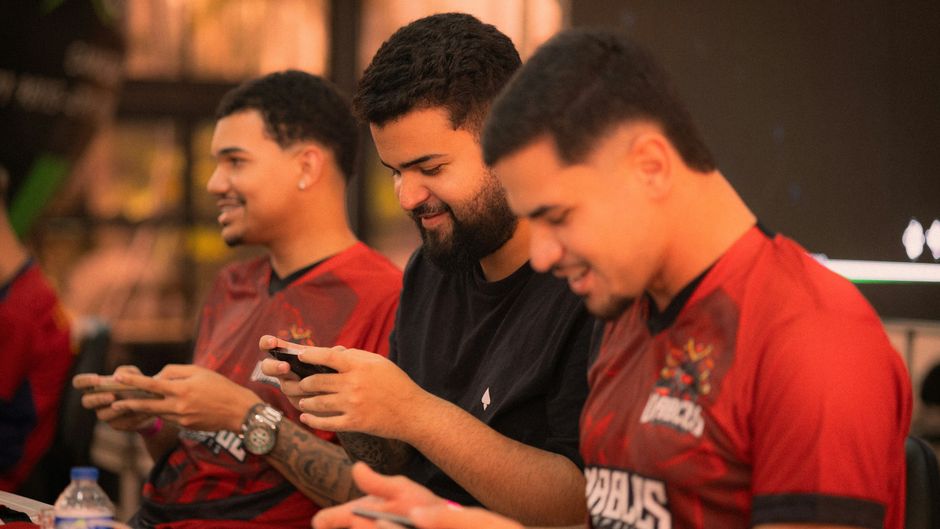
Whether you are a casual player checking a puzzle game on the bus or a competitive gamer climbing the ranks in a battle royale, the livestreaming influence is everywhere. Developers are no longer just building games; they are building content machines. As the lines between the viewer and the player blur, mobile game design has shifted to accommodate a new set of mobile gaming expectations centered on social proof, instant gratification, and high-visibility action.
The Convergence of Watching and Playing
In the past, mobile games were solitary experiences. Today, they are communal hubs. Livestreaming platforms like Twitch and YouTube have transformed mobile games into spectator sports. This shift means that developers must now prioritize "watchability" alongside playability. If a game doesn't look exciting on a small, vertical phone screen, it loses its potential for viral marketing.
This has led to a major change in real-time gameplay mechanics. Developers are incorporating high-intensity moments—boss spawns, limited-time events, and explosive visual effects—specifically designed to look good during a stream. Even for local publishers like the Herald-Dispatch or broader entities managed by HD Media Company, LLC, the focus is increasingly on how digital content can be interactive and shareable. When a local news app or a niche portal starts integrating gaming elements, they are leveraging the same psychology that keeps streamers trending.
Accessibility: The Mobile Advantage in a Cloud-First World
One of the greatest triumphs of modern mobile development is the reliance on cloud-based systems. By offloading heavy assets to the cloud, developers can ensure that even entry-level devices can participate in high-fidelity, real-time gaming. This accessibility is crucial for streamers who want their audience to join them instantly.
When an influencer says, "Download this game and join my lobby," the friction of that download must be near zero. Through refined app store ecosystems and centralized downloads, developers have optimized the "time-to-first-click." This is a lesson that content managers have learned as well; just as the BLOX Content Management System allows media companies to update their sites in real-time without cumbersome delays, modern game engines allow for "hot-patching" events so that streamers can always have new, trending content to show off to their followers.
Short-Session Play and Frequent Engagement
Livestreaming culture thrives on the "highlight reel." Because streamers rarely play a single game for six hours straight, mobile games have pivoted toward short, high-impact sessions. This is the cornerstone of modern retention design.
Design Element Old Approach Livestreaming-Influenced Approach Session Length 30-60 minutes per session 3-5 minute high-intensity bursts Progression Linear, long-term grind Immediate gratification, frequent rewards Social Interaction Leaderboards (passive) Real-time chat, spectating, challenges Monetization Premium/One-time purchase Digital wallets, seasonal battle passesBy breaking gameplay into five-minute chunks, developers cater to the "snackable content" nature of modern social media. A player can log in, complete a daily challenge, earn a reward, and log out—all while watching a streamer complete the same task on their feed. It creates a psychological loop: the player feels part of the creator’s progress because they are engaging in the same, standardized, real-time activities.
The Monetization Shift: Digital Wallets and Direct Economies
We cannot talk about the influence of streaming without discussing the monetization mechanics that fuel it. The integration of digital wallets has fundamentally changed how we pay for virtual goods. In the past, buying a "skin" or an "upgrade" was a laborious process involving credit card entry and confirmation emails. Now, it is a single biometric tap.
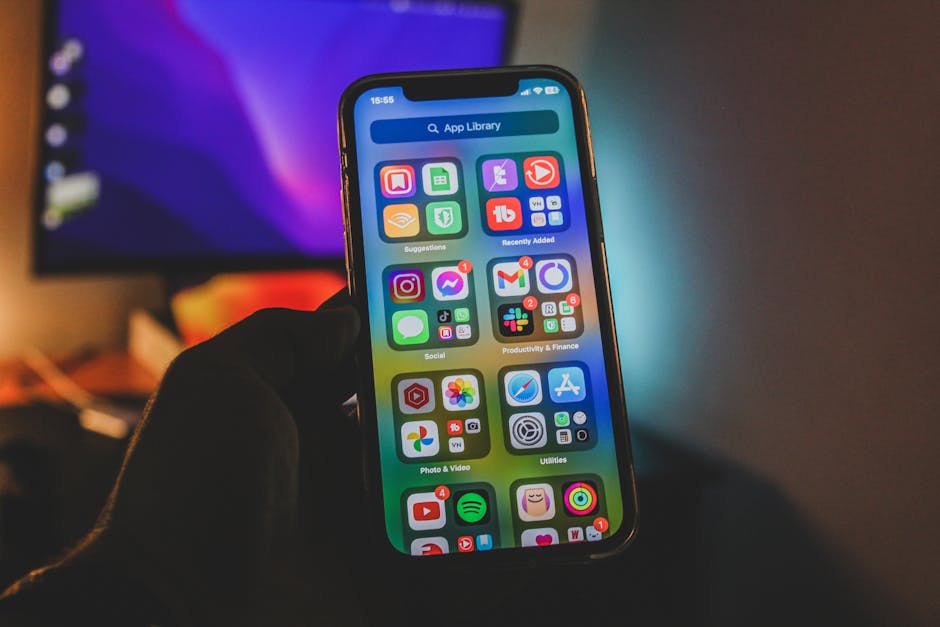
Streamers often show off exclusive cosmetics or limited-edition items. When their audience sees these items in action, the "fear of missing Home page out" (FOMO) kicks in. Because the friction of payment has been removed via secure, integrated digital wallets, the conversion rate from "viewer" to "spender" is higher than it has ever been. Developers design these items to be highly recognizable, ensuring that when they appear on a stream, they act as a beacon, prompting other players to open their wallets and upgrade their own inventory.
Retention Design: Why Daily Challenges Are Non-Negotiable
If you look at the top 100 grossing apps, you will notice a trend: they all feature a version of the "Daily Challenge." These systems are not just for engagement; they are the bedrock of the livestreaming-to-mobile feedback loop.
Retention design today is about building a daily habit. If a streamer announces, "Hey, I’m doing the daily challenge today, come join me," they are essentially outsourcing their community management to the game’s own mechanics. This creates a powerful cycle:
The Hook: A streamer starts a broadcast during a limited-time daily event. The Social Catalyst: Followers see the streamer engaging with the challenge. The Action: Followers open the app, using the centralized download ecosystem. The Retention: The player completes the daily challenge, feels a sense of accomplishment, and plans to return tomorrow.This is where the flexibility of tools like the BLOX Content Management System becomes relevant in a broader digital context. Just as media platforms use CMS tools to push relevant, timely headlines to their readers, game developers use similar backends to push "trending" events to their players. It keeps the game feeling fresh, even if the core mechanics haven't changed in months.
The Future: Interactive Media and Game Design
As we look toward the future, the influence of livestreaming on mobile game design will only intensify. We are moving toward a world where the boundary between the media we consume and the games we play is non-existent. Media companies like HD Media Company, LLC have already begun to recognize that the future of engagement is not static text, but interactive, gamified experiences.
The Herald-Dispatch and other forward-thinking regional publishers are increasingly adopting digital strategies that mimic the engagement loops found in mobile gaming. By using advanced content management systems to push interactive polls, quizzes, and even mini-games to their readers, they are proving that the lessons of "retention design" apply to far more than just "Candy Crush" or "Fortnite."
Final Thoughts
The livestreaming influence has moved mobile game design away from solitary, long-form play toward a social, real-time, and highly monetized ecosystem. Developers who understand this shift—those who prioritize accessibility, optimize for short-session engagement, and utilize the convenience of modern digital wallets—are the ones who will capture the attention of a distracted generation.
For the player, it means a more dynamic experience where the game is always changing. For the developer, it means constantly iterating to keep up with the fast-moving trends dictated by streamers. And for the rest of us in the media and tech space, it’s a masterclass https://instaquoteapp.com/why-do-mobile-games-load-slower-on-some-phones-a-deep-dive-into-mobile-performance/ in how to build products that keep users coming back, day after day, in an increasingly competitive digital landscape.